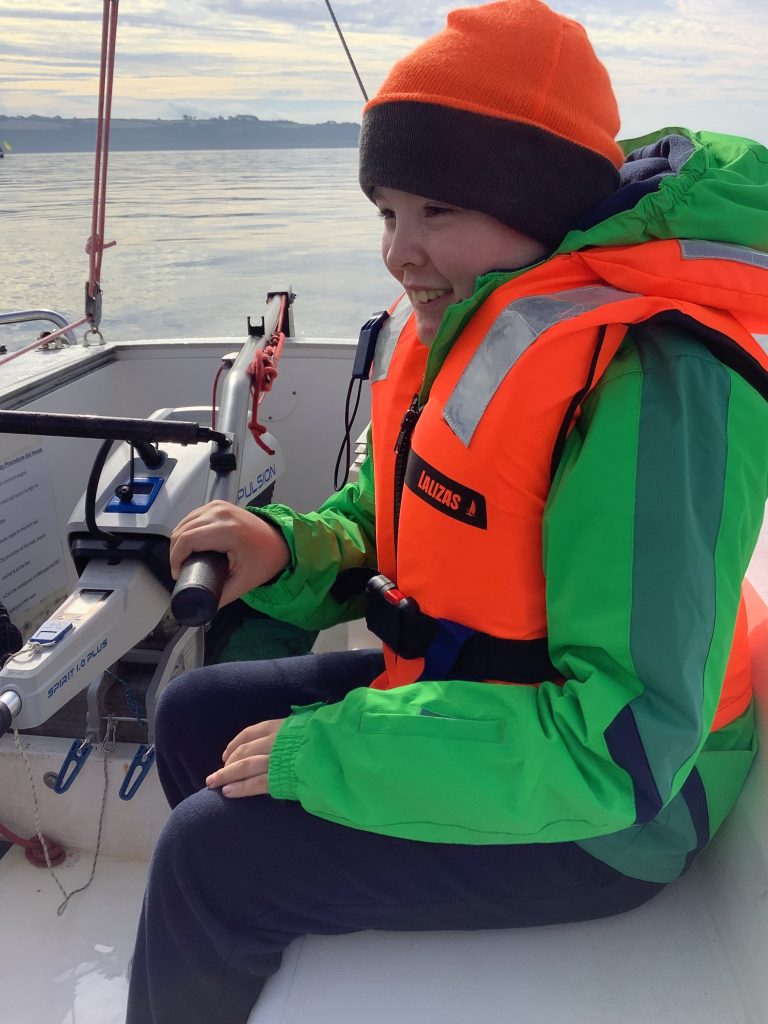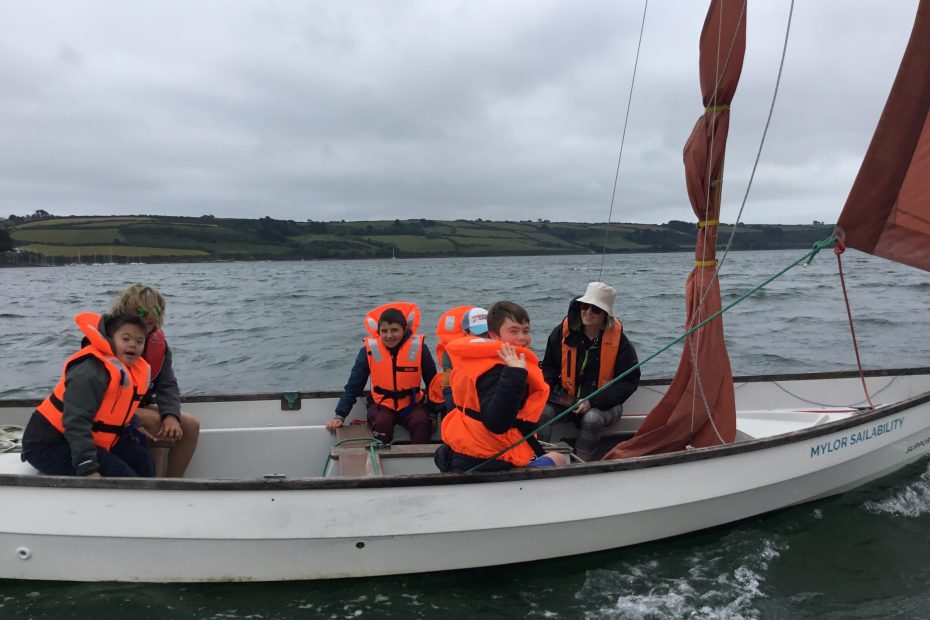
“We got to see seals and birds and we learned how to spell ‘buoy’”. Thus Sophie, a pupil at Pencalenick School, after her day on the water at Mylor Sailing School this summer.
Pencalenick is a Special Educational Needs (SEN) school for pupils who have an Education, Health and Care plan, which identifies a need for specialist provision.
There are 150 pupils on site at Truro and the school also looks after pupils in four specialist units at Falmouth, St Austell, Brannel and Budehaven.
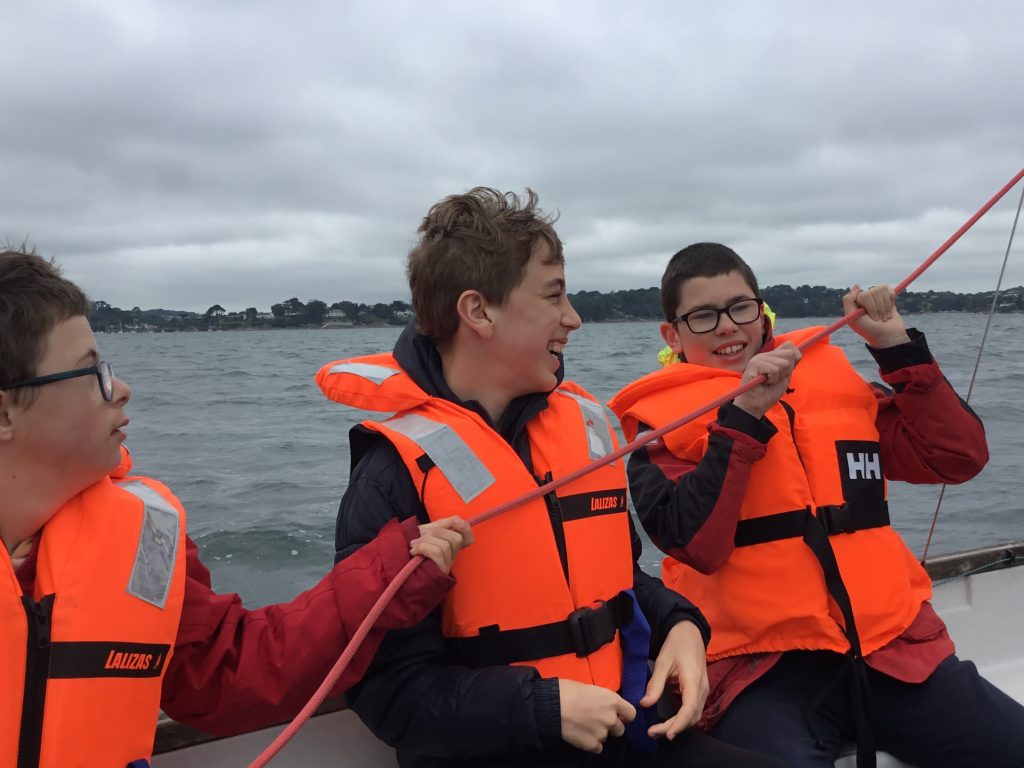
The Trust funds a sailing and powerboat programme for Pencalenick at Mylor Sailing School. This year 240 pupils took part over 25 days between late March and early October, while six pupils took part in Mylor’s Sailability programme, of whom two qualified at Entry Level, two at Bronze and two at Silver.
Andy Beckett is Pencalenick’s Outdoor Education Coordinator.
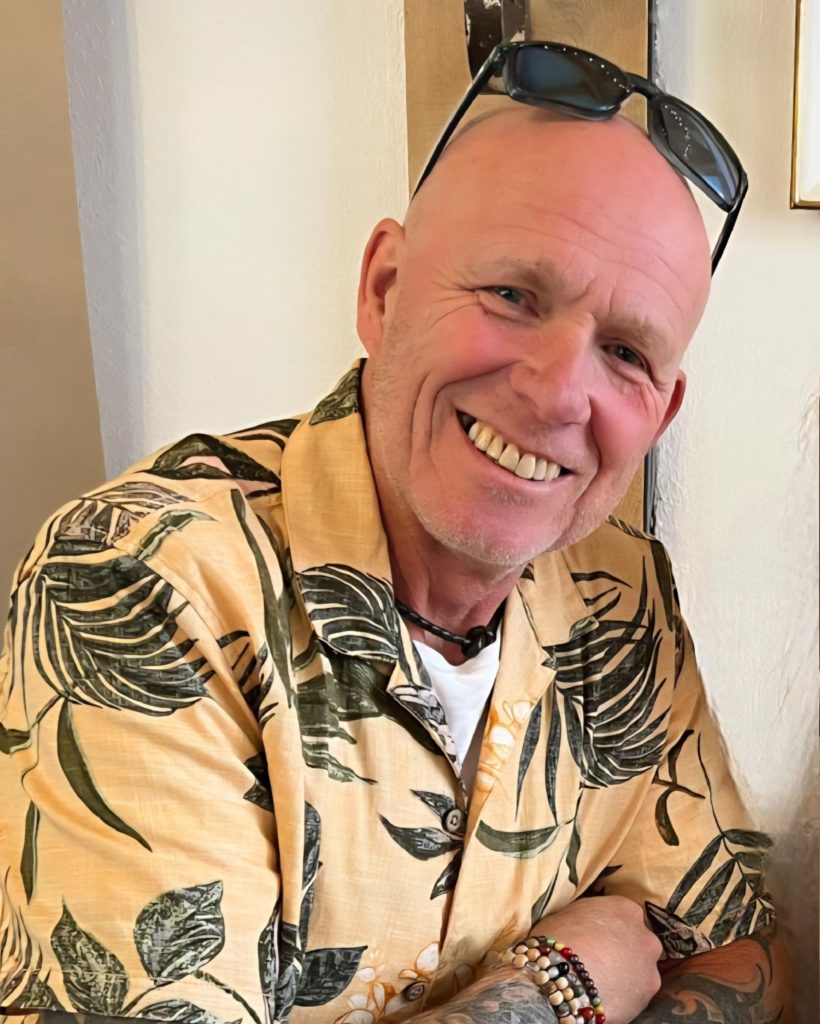
He told us: “Sailing and powerboating are not only enjoyable activities but also powerful tools for supporting the development of children with special educational needs. They provide a unique opportunity for learning, socialising, and improving physical and mental well-being in an inclusive and supportive environment. Being outdoors and participating in outdoor activities can sometimes be a challenge for pupils with SEN and having instructors and helpers who get that really helps.”
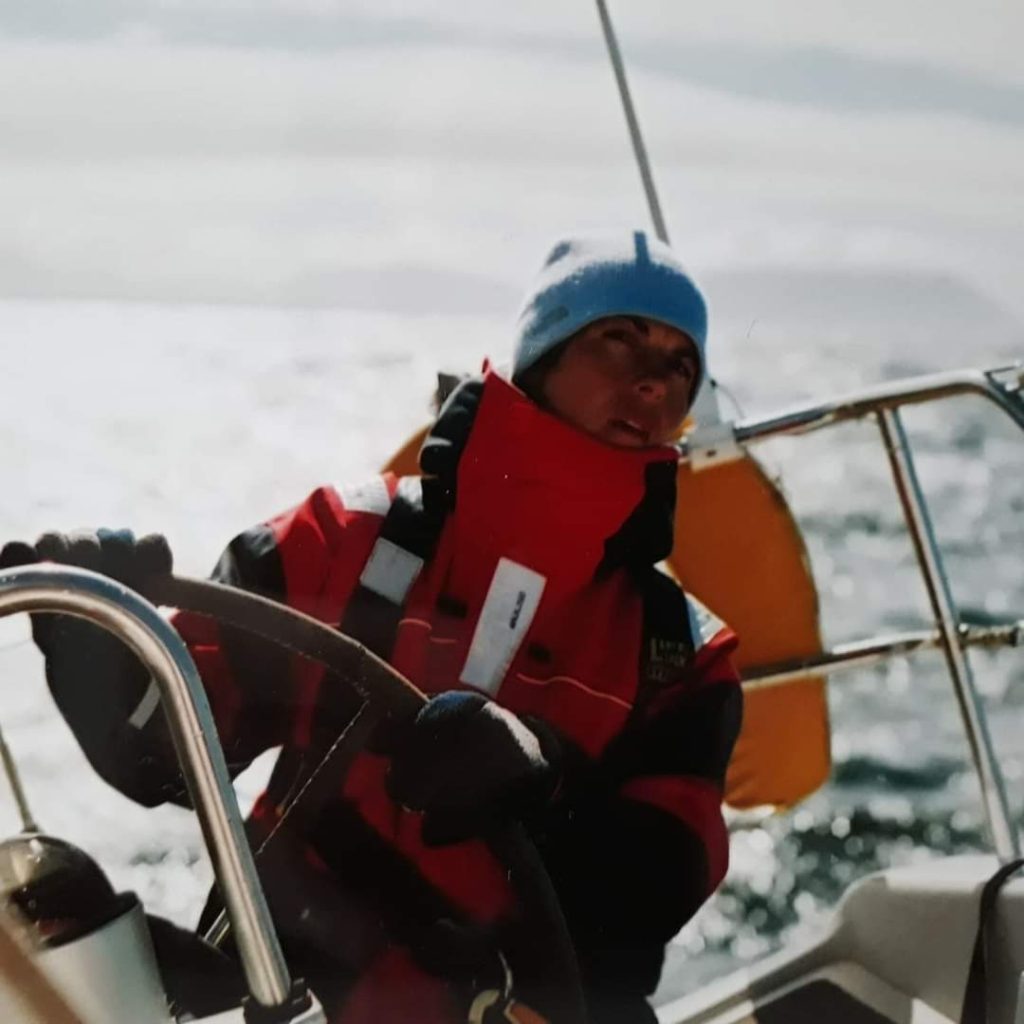
Tracey Boyne is the owner of Mylor Sailing School, whose charitable arm Mylor Sailability has won 20 awards for access and inclusivity and learning experiences. She says: “We offer sailing and powerboating for all and can pretty much get anyone on the water. Our provision for SEN schools has grown rapidly and we run 23 sessions per week at certain times of the year, which has also led to the employment of more staff.”
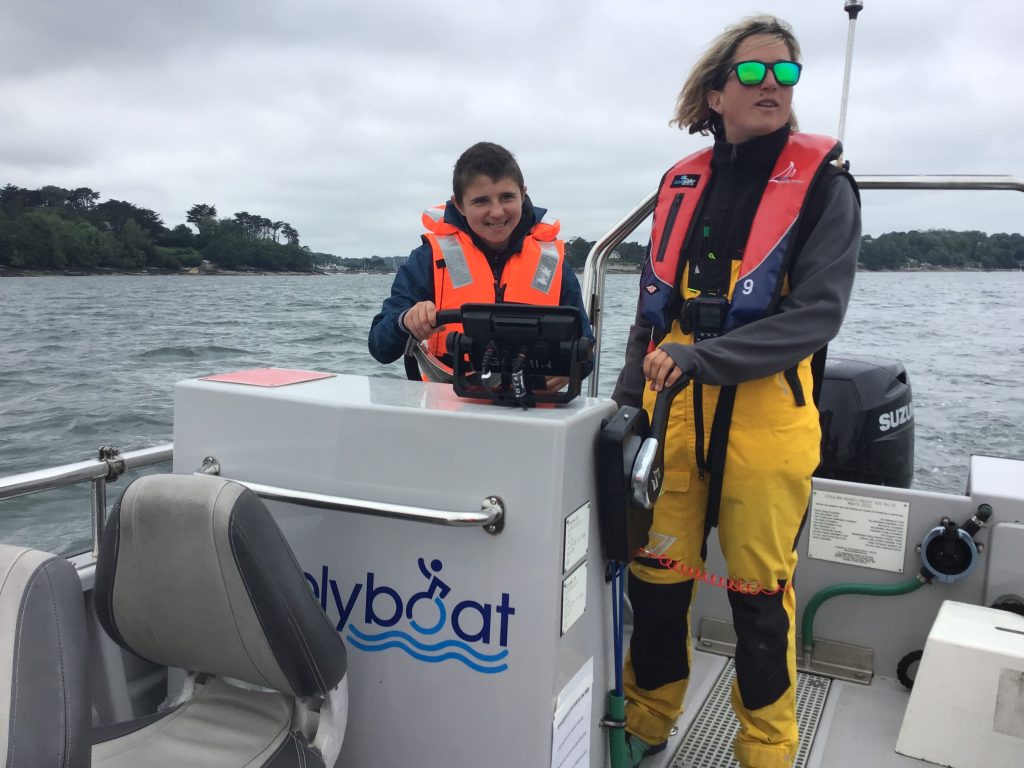
We asked Andy Beckett how exactly being on the water benefits children with SEN. We’re grateful for his detailed analysis below:
• Well-being: The activity involves various physical tasks that can help improve fine and gross motor skills. Children may engage in activities like steering, adjusting sails, or handling ropes, which require hand-eye coordination, strength, and balance. Children can experience the sensations of wind, water, and movement. For children with sensory processing challenges, being in such an environment can be therapeutic and help them engage with their surroundings in a safe, controlled manner.
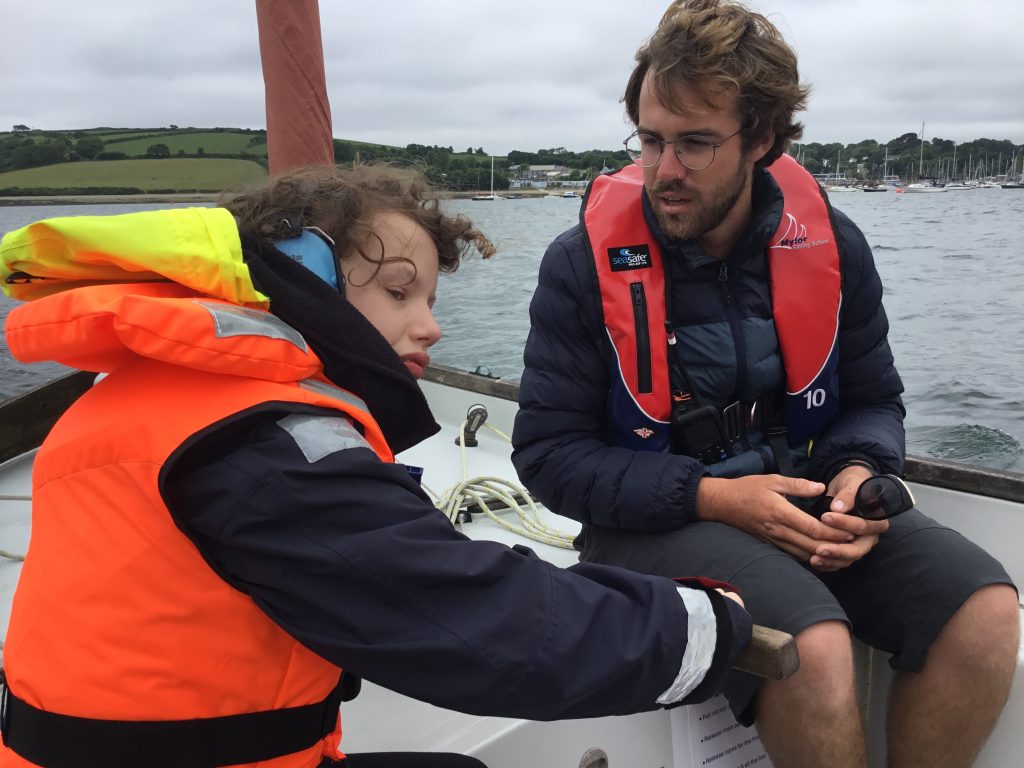
• Resilience: Incorporating challenging outdoor activities into the routine for children with special needs not only boosts physical and cognitive development but also strengthens emotional resilience, social interactions, and mental well-being, providing them with a holistic, positive experience.
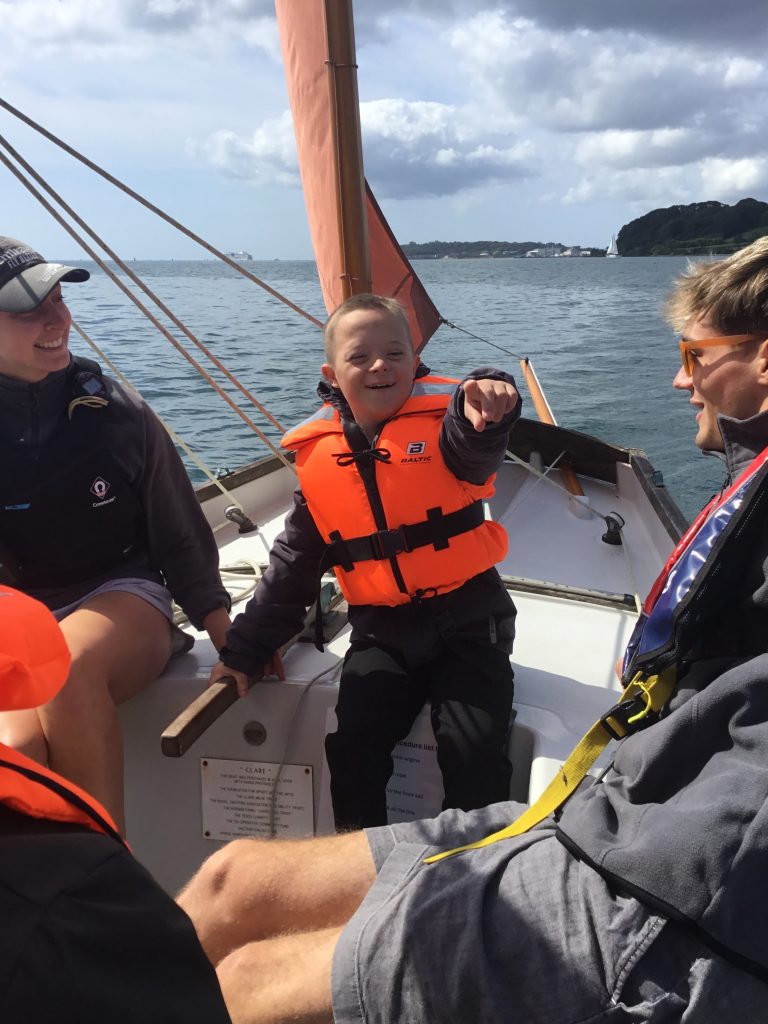
• Independence: Outdoor environments are often less rigid than indoor ones, reducing stress and providing children with SEN the freedom to explore, learn, and grow at their own pace. Also a new environment such as being on a boat in a harbour gives them a different environment to apply their skills.
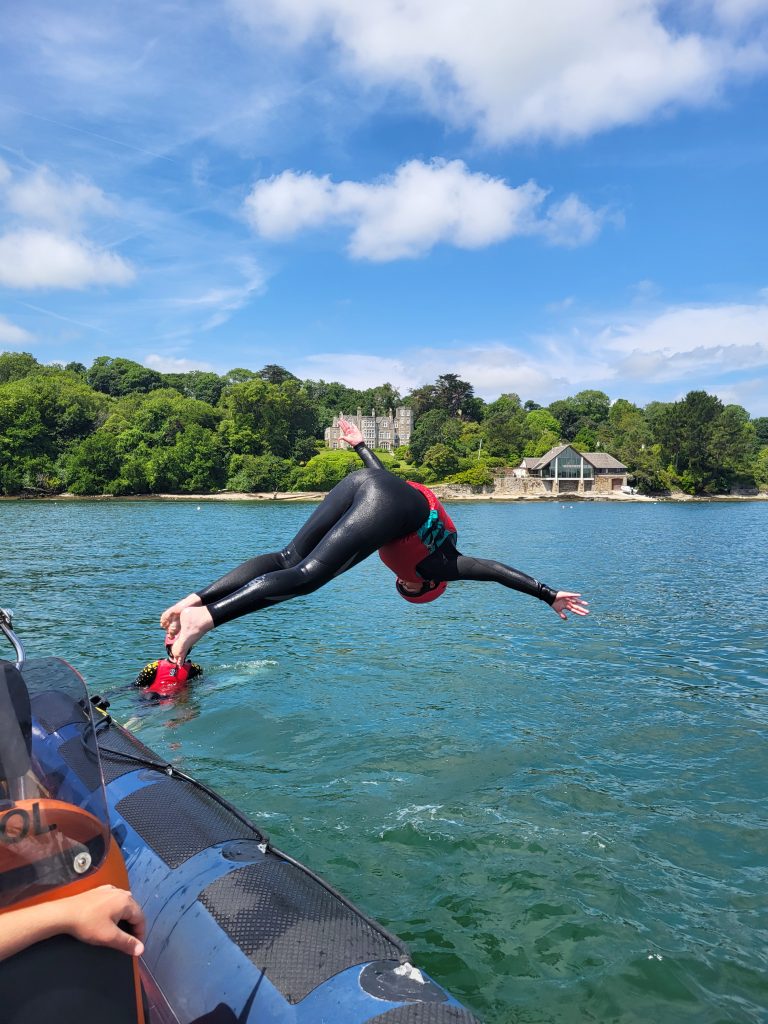
• Self-esteem: Successfully controlling a boat or completing a sailing manoeuvre gives children a sense of accomplishment, which can boost self-esteem. This is especially valuable for children with SEN, who may struggle with other activities.
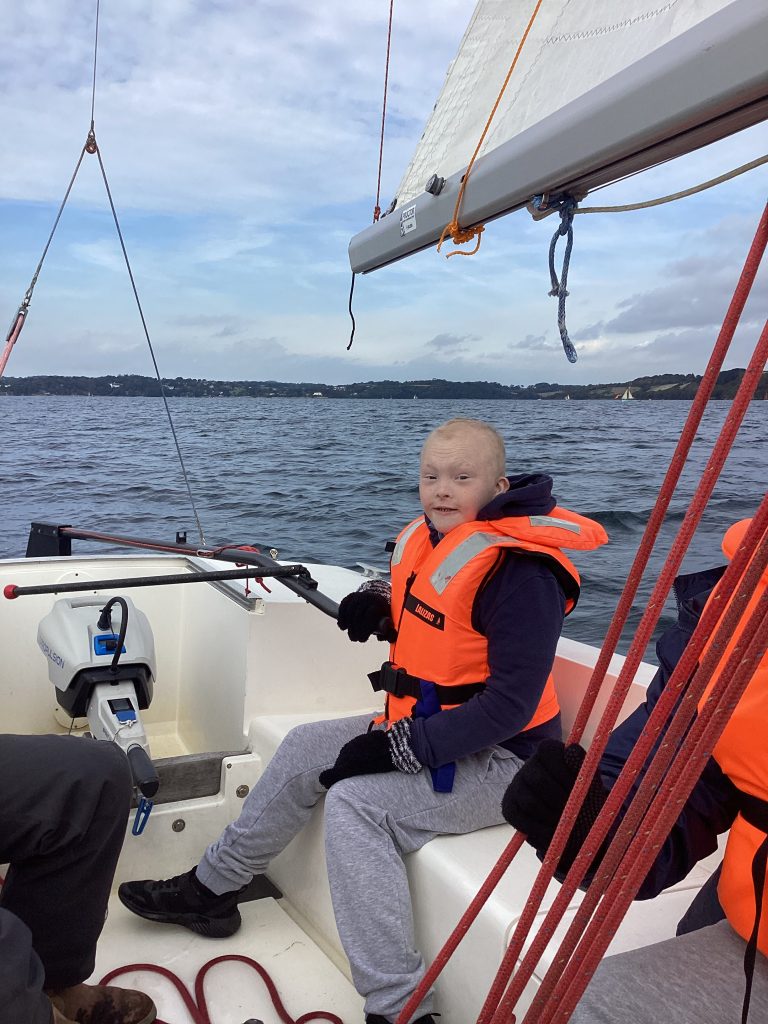
• Confidence: To support the development of confidence and as part of preparation for adulthood we are always seeking to engage the pupils in community groups/different organisations for work and for leisure. This type of activity provides them with the knowledge and experience of what the harbour is like and what the sailing school offers.
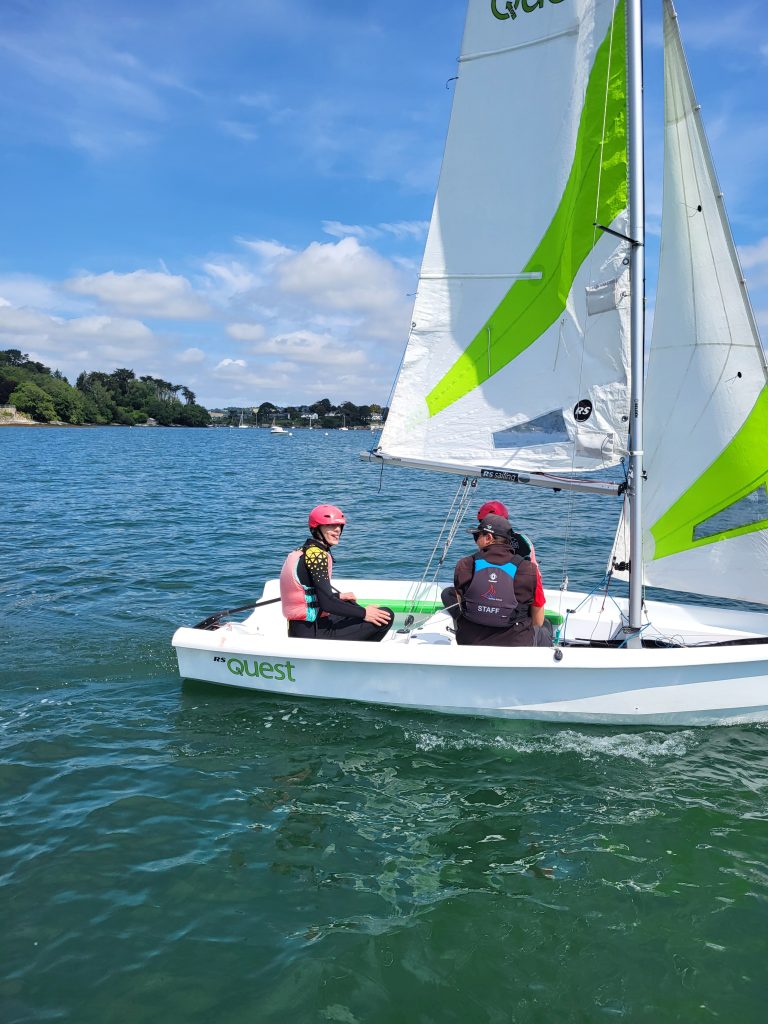
• Teamwork: Whether in a group setting or as part of a team, sailing and powerboating require co-operation. The group must communicate, share responsibilities, and work together to achieve a common goal. This can significantly enhance social interaction and teamwork skills. Engaging in group activities like sailing can also help children form friendships and build positive peer relationships. It fosters inclusion, helping children with SEN feel part of the community outside the classroom.
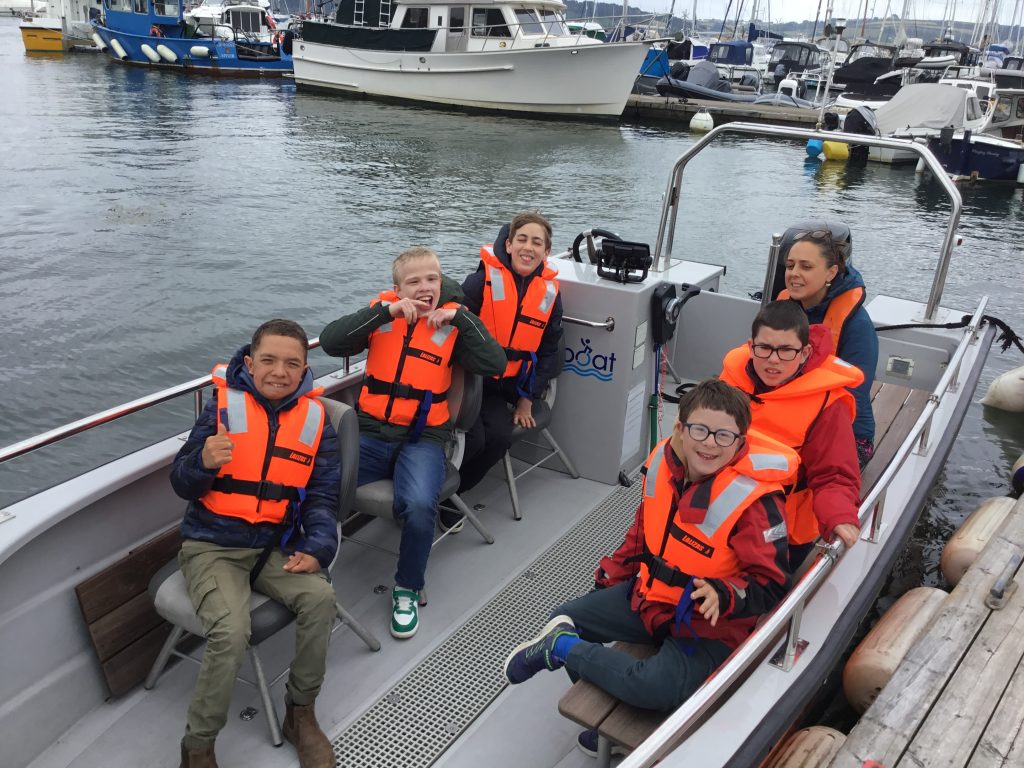
• Communication: A day out on the water greatly helps with the development of relationships with their staff team outside of the classroom in a less formal situation. The pupils are also encouraged to communicate and interact with the staff and instructors from the sailing school, again allowing them to build skills and confidence.
All this creates a lot of satisfaction, not just for the pupils, but their instructors, too.
Says Tracey: “I love watching the children’s apprehension turn into pure joy and laughter from something they’ve never experienced before, building resilience and social skills while navigating the unfamiliarity of the activities and starting to experience success by working together through cooperation and skill development. The transformation from hesitation to happiness is very humbling and rewarding for me and all of my team.”
And a final word from Andy: “Sometimes all a child needs is to spend the morning trailing their hand in the water as it drifts by; recognising this is the important thing. Our pupils all face challenges, that is why they attend an SEN provision. However, the way they overcome them is amazing and the levels of empathy and understanding they have for each other during difficult times is heart-warming. Obviously this happens in the classroom, but it seems to be amplified when they are doing something that may be a bit scary and out of their normal comfort zone and to me shows the huge benefits of outdoor activities like these.”